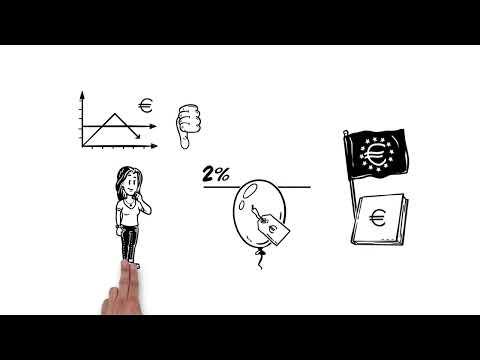
What are the benefits of the euro?
Used daily by millions of Europeans, the euro is a tangible symbol of European integration. This common currency offers many benefits for individuals, businesses and the economies of the countries that use it, such as
- enabling citizens to live, work and study abroad more easily
- making it easier, cheaper and safer for businesses to buy and sell within the euro area and to trade with the rest of the world
- keeping prices stable, improving economic stability and growth
- better integrating financial markets and therefore making them more efficient
- giving greater influence in the global economy.
Many of these benefits are interconnected. Economic stability enables governments to plan for the future, gives businesses greater certainty, and encourages investment. This, in turn, supports job creation and improves the quality of jobs.
How does the euro create these benefits?
The euro has eliminated the costs of exchange rate fluctuations within the euro area. This protects consumers and businesses within the euro area from costly currency volatility. In the past, such swings often weakened confidence, discouraged investment and caused economic instability. Before the euro, the need to exchange currencies meant extra costs, risks and a lack of transparency in transactions between countries. A single currency has removed these barriers, making trade and investment in the euro area easier, cheaper and more reliable.
By making it easy to compare prices, the euro encourages trade and investment between countries. It also helps consumers and businesses to find the best prices.
Benefits worldwide
The scale of the single currency and the size of the euro area create new opportunities in the global economy. A single currency makes the euro area more attractive to non-EU countries to do business with, thus promoting trade and investment.
Prudent economic management makes the euro an attractive reserve currency for non-EU countries and gives the eurozone a more powerful voice in the global economy. The euro is the second most important currency in the world.
The stability of the euro also makes it attractive for businesses around the world that trade with Europe to accept prices quoted in euros. This saves European businesses from the costs associated with shifts in exchange rates and the cost of converting euros into other currencies.
Scale and careful management also bring economic stability to the eurozone, making it more resilient to external economic shocks, i.e. sudden economic changes that may arise outside the eurozone and disrupt national economies, such as worldwide oil price rises or volatility in currency markets. Its size and strength allow it to absorb such external shocks more effectively, helping to safeguard jobs and growth.
Reaping the benefits
The eurozone economy benefits from prudent management. The EU’s economic and fiscal rules, including the Stability and Growth Pact, a central component of Economic and Monetary Union, promote economic stability and growth.
Beyond this, the euro maximises the benefits of the single market, trade policy and political cooperation. It is therefore an integral part of the economic, social and political structures of today’s European Union.