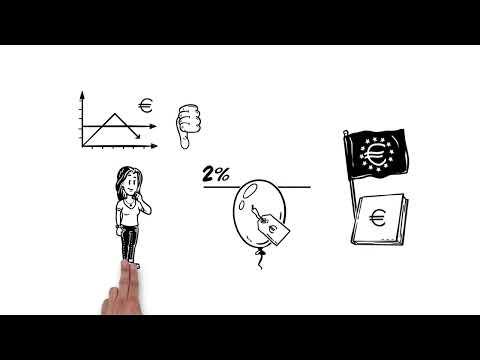
The euro is the second most-used currency for global financial transactions and an attractive reserve currency for countries around the world.
Euro area interest rates influence economic developments and price stability. Managing the daily currency movements and exchanges is the responsibility of the independent European Central Bank (ECB). Located in Frankfurt, the ECB is the central bank of the 21 European Union countries which have adopted the euro. It works to maintain price stability, and to preserve the purchasing power of the single currency.
Although taxes and national budgets remain the responsibility of individual countries, national governments have agreed on common rules on public finances to be able to coordinate their activities for stability, growth and employment.
Finance ministers of the euro area countries meet several times a year in the Eurogroup to discuss matters relating to the euro. They coordinate their economic and budgetary policies to promote conditions for stronger economic growth.
Producing coins and banknotes
Since 2002, euro banknotes have been produced jointly by the national central banks of the euro area. Each national central bank is responsible for a proportion of the total annual production in one or more denominations.
National governments of the euro area countries are responsible for minting euro coins.
Anti-counterfeiting measures
Security was a major consideration while designing euro coins and banknotes. Since its introduction, the levels of counterfeiting in the euro area have been relatively low. However, because each country’s euro notes and coins - with distinctive designs - are legal tender across the entire euro area, common rules and coordination are needed to ensure that anti-counterfeiting measures are equally effective in all countries. The EU anti-counterfeiting policy is based on four pillars: prevention, repression, training and cooperation.